Reclaim More Time for Patient Care in Every EHR Note
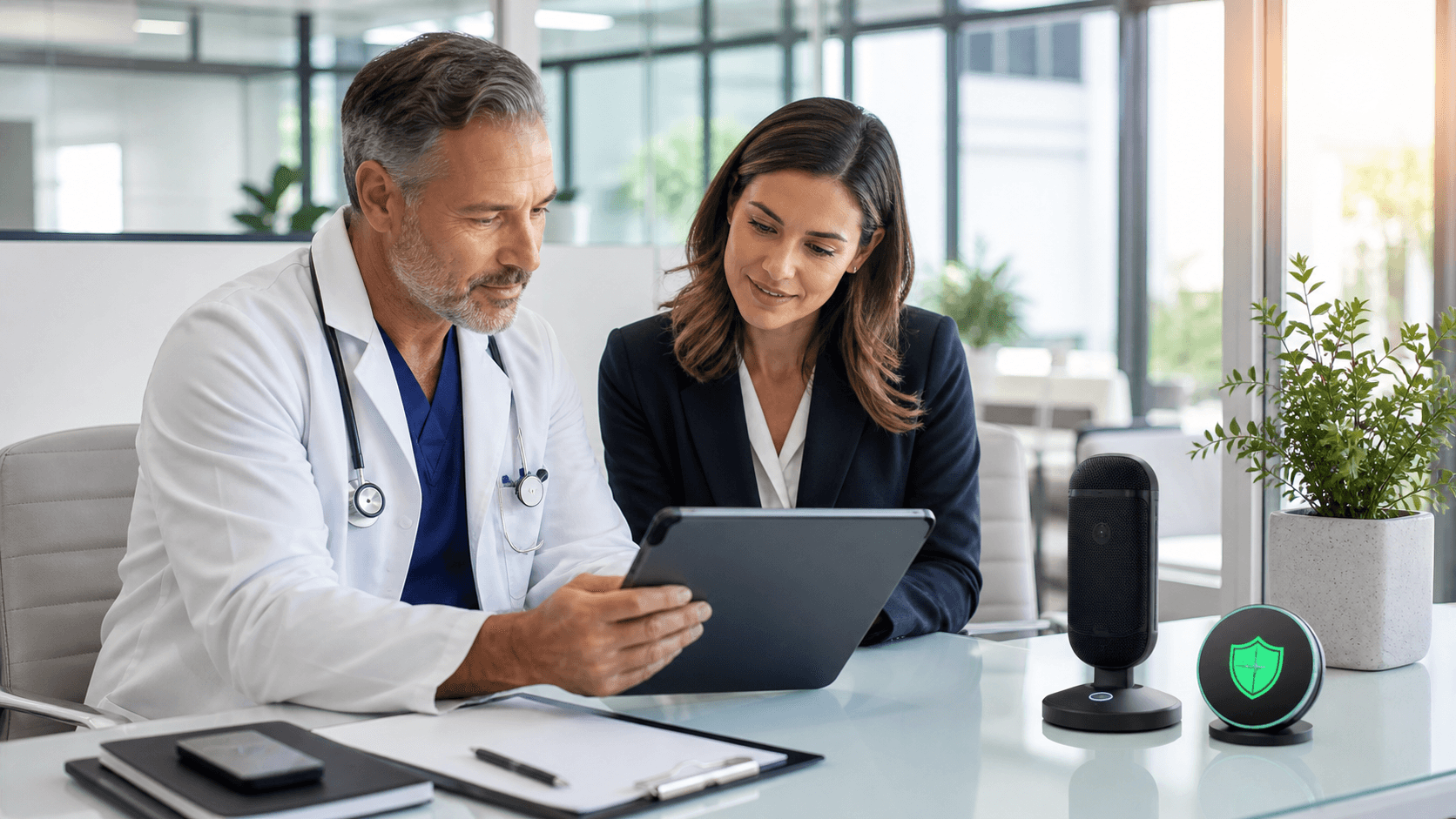
Microsoft Dragon Copilot can help clinicians spend less time on repetitive EHR tasks and more time focused on the clinical story. Its AI-assisted documentation capabilities support efficient note creation while keeping clinician review and patient-specific detail central to the process.
Efficient documentation is not about rushing or cutting clinical detail. It is about reducing friction in everyday work, from capturing the encounter to reviewing assessments, plans, and follow-up instructions. That becomes especially helpful in July, when vacation coverage, new team members, schedule changes, and extra handoffs can make consistent documentation harder to maintain.
Start with High-Value Microsoft Dragon Copilot Workflows
The best place to begin is usually not every note type at once. High-volume documentation tasks that interrupt the day most often may include office visits, progress notes, referrals, care coordination updates, procedure follow-ups, patient instructions, and message responses.
Before introducing new documentation habits, map a typical note from beginning to end. Notice where clinicians pause, where they repeat the same wording, and where time is lost moving between fields. That review helps teams prioritize Microsoft Dragon Copilot workflows that fit their specialty, documentation standards, and clinical responsibilities.
Common starting points include:
- Follow-up visit notes with repeated assessment and plan language
- High-volume portal or message responses
- Procedure documentation and follow-up instructions
- Referral updates and care coordination notes
By supporting documentation as clinicians work through the encounter, Microsoft Dragon Copilot can help preserve attention for the clinical narrative instead of constant switching between typing, clicking, and reviewing information.
Use AI-Assisted Documentation Without Disruption
AI-assisted documentation can reduce the small interruptions that slow down note completion. Microsoft Dragon Copilot brings together documentation support tools that can help clinicians capture relevant details, organize information for review, and complete notes while the clinical context remains fresh.
A simple workflow often works better than trying to change every documentation habit at once. For example, a clinician may begin with one visit type, review generated or dictated content carefully, make needed edits, and then expand use as the process becomes familiar. Clear expectations for review remain essential because the clinician is responsible for the final note.
Focused implementation helps connect Microsoft Dragon Copilot to real EHR workflows rather than isolated practice exercises. The most useful approach can vary by specialty, note design, documentation responsibilities, and organizational policy. Consistent training also helps clinicians maintain efficient habits during busy coverage periods, when it is easy to fall back into slower routines.
Build a Privacy Monitoring Workflow with Haystack iS
Haystack iS supports patient privacy monitoring by helping organizations gain visibility into patient record access activity and identify potential privacy concerns that may require review. Healthcare organizations manage large volumes of access data, and meaningful oversight requires more than simply collecting audit information.
Privacy teams can use Haystack iS to establish focused monitoring processes around access patterns, organizational policies, and follow-up responsibilities. Rather than treating every access event as equally concerning, teams can concentrate their attention on activity that warrants additional context or investigation.
Effective privacy monitoring workflows may include:
- Reviewing access activity associated with sensitive patients or records
- Identifying patterns that may fall outside expected job responsibilities
- Supporting privacy investigations with relevant access information
- Documenting review and follow-up processes consistently
- Strengthening accountability across departments and roles
A sustainable process combines technology with defined ownership. Privacy, compliance, security, and operational teams need clear procedures for reviewing findings, gathering context, and determining appropriate next steps without assuming that an alert alone establishes inappropriate access.
Align Documentation, Privacy, and Drug Diversion Monitoring Across Teams
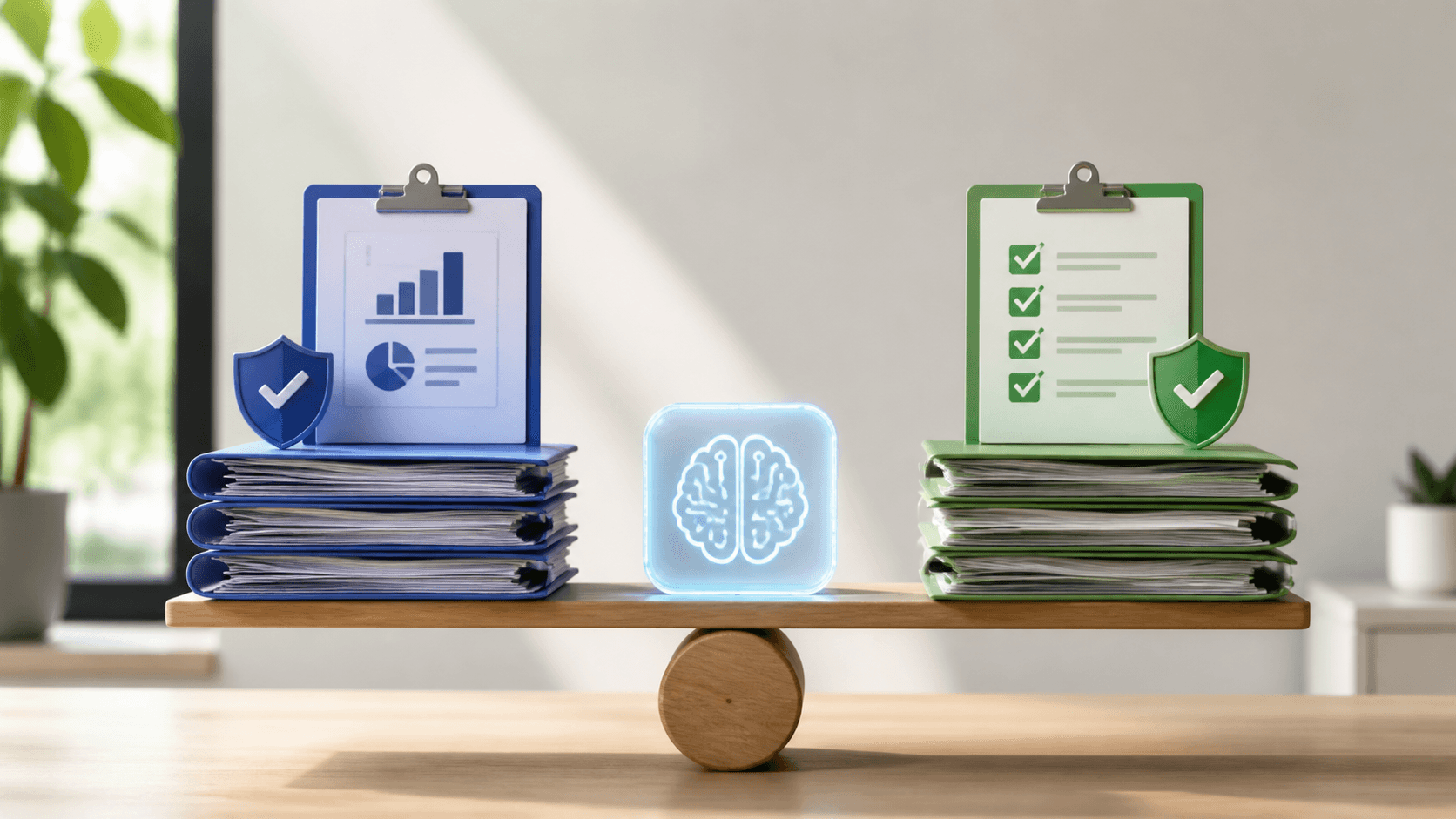
Documentation efficiency and organizational oversight are connected, but they serve different purposes. Microsoft Dragon Copilot supports clinician documentation workflows, while Haystack iS supports patient privacy monitoring and DetectRx supports drug diversion monitoring for organizations managing medication-related risk.
DetectRx helps organizations monitor for potential drug diversion signals by bringing greater visibility to patterns that may require review. Medication activity can involve many people, locations, processes, and data sources, so dedicated monitoring helps teams identify unusual activity and investigate it in the appropriate operational context.
Each solution has a distinct role. Clinicians can use Microsoft Dragon Copilot to reduce documentation friction, privacy teams can use Haystack iS to support patient record access oversight, and pharmacy, compliance, and operational leaders can use DetectRx to strengthen drug diversion monitoring processes. Role-based responsibilities, consistent review practices, and appropriate follow-through help each team use the information available to them responsibly.
Put a Sustainable Documentation and Monitoring Plan Into Practice
Lasting improvement usually begins with one workflow that causes the most daily burden or creates the greatest oversight challenge. That may be a follow-up note, a recurring privacy review process, or a medication activity pattern that requires more consistent visibility. Microsoft Dragon Copilot, Haystack iS, and DetectRx each address different parts of that work.
A practical plan should fit the way clinicians document, the privacy standards an organization follows, and the medication monitoring responsibilities its teams manage. Implementation is strongest when organizations define the workflow, assign ownership, provide role-specific training, and review results over time.
The goal is a set of sustainable habits: document the clinical story with appropriate review, monitor patient record access with meaningful context, investigate potential medication-related risks through established processes, and maintain patient care, privacy, and accountability as connected priorities.
Turn Workflow Goals Into Practical Next Steps
At Dictation Direct, we help healthcare organizations align technology with their documentation and operational needs. See how Dragon Medical One can fit into a practical clinical workflow. Sign up for a consultation today to discuss implementation priorities, user adoption, and your organization's goals.