Ambient AI Scribes and the Future of Clinical Notes
Clinical documentation is getting heavier just as clinics are getting busier. Late summer often feels like a race: higher visit volumes, quality reports due, and everyone trying to clear their inbox before the year winds down. Many clinicians are squeezed between packed schedules and long evenings spent finishing notes.
Ambient clinical documentation aims to break that pattern. Instead of typing or dictating every line, an ambient AI scribe listens during the visit, then drafts the note for you. It is very different from the usual point-and-click or dictation workflow, where every sentence depends on the clinician speaking or typing it out in real time. This shift matters because documentation expectations keep growing while burnout and regulatory pressure both climb. In this article, we will look at how ambient AI scribes work, how they change the day-to-day experience, what they mean for compliance, and how to move from traditional dictation to something more automatic.
From Dictation to Ambient Clinical Documentation
For many organizations, traditional medical dictation is already a big step up from pure typing. Clinicians speak into Nuance Dragon or similar tools, watch text appear, then edit and sign. Some teams still send recordings to transcription staff, then review the finished note later. It is faster than typing every word, but it still demands focused time and attention after the patient leaves.
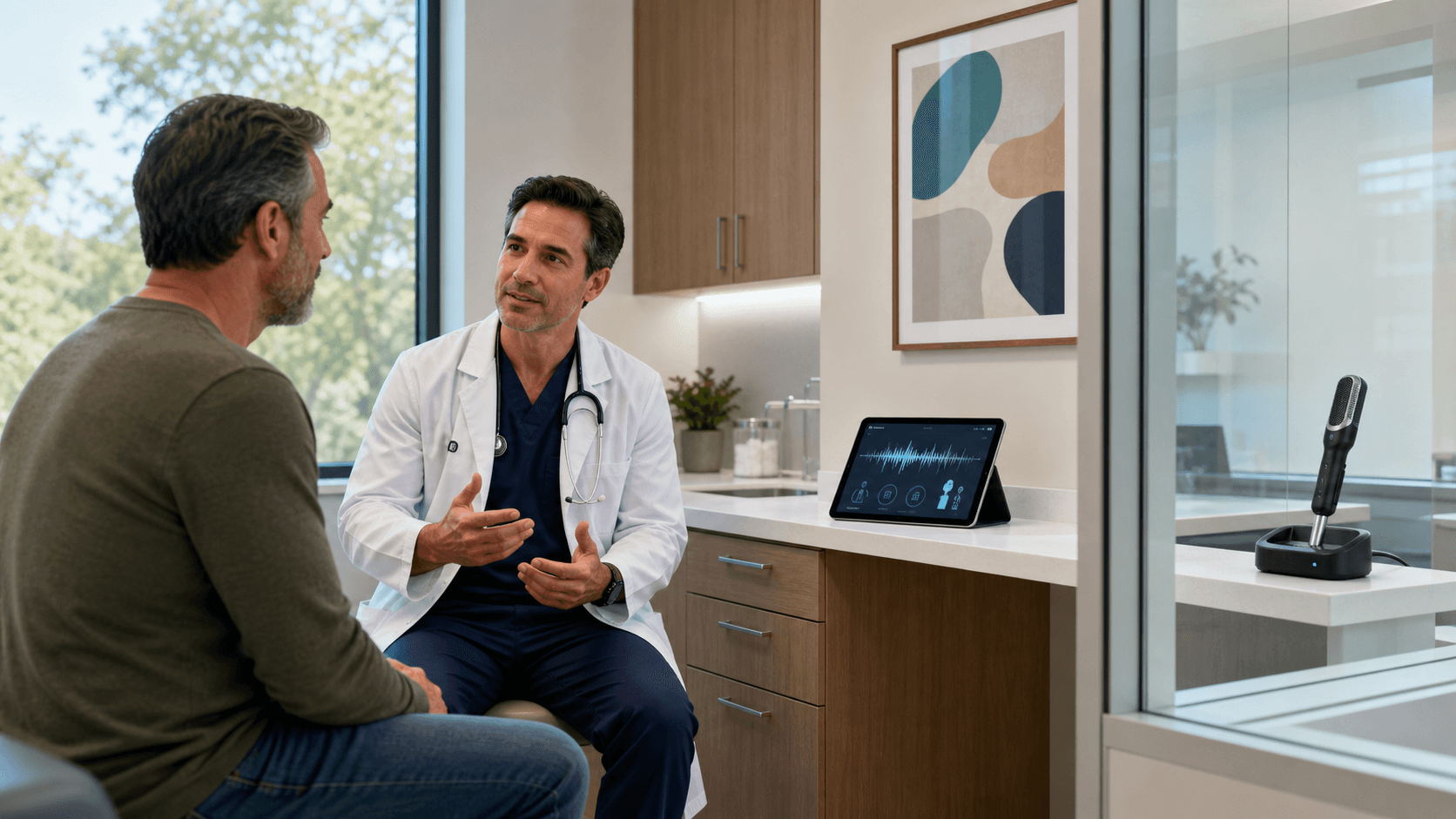
Ambient clinical documentation flips that flow. Instead of starting with a blank screen and a cursor, you start with an always listening, context-aware system that captures the visit in the background and builds the note for you. The clinician still owns the content, but the AI does much of the first draft.
At a simple level, the difference looks like this:
- Traditional dictation:
- Clinician starts the note
- Speaks the full history, exam, and plan
- Edits formatting and details
- Signs when complete
- Ambient clinical documentation:
- System listens during the encounter
- Drafts a structured note from conversation
- Clinician reviews, tweaks, and signs
That shift from active dictation to passive capture changes time and mental load. Instead of holding wording in your head while you click or dictate, you can focus more on the person in front of you. Those small gains can matter a lot in late summer and fall when volumes rise. Primary care visits stack up, hospitalists manage busy floors, and specialists run full clinics. Even saving a few minutes per encounter can be the difference between finishing notes by the end of the day or carrying them home.
How Ambient AI Scribes Actually Work in the Exam Room
Ambient tools may feel like magic at first, but under the hood they follow a clear pattern. There are a few core parts working together:
- Multi-channel audio capture so the system can hear both clinician and patient
- Speaker diarization so it knows who said what
- Medical language understanding tuned for clinical terms and phrases
- Note generation that fits your EHR templates and specialty style
The workflow usually follows three stages.
Before the visit, the system can pull context from the chart, such as the problem list or medication list. That helps it understand what is likely to come up in the conversation. During the visit, it listens, separates speakers, and tracks what belongs in history, exam, assessment, and plan. It can also pick up common orders, referrals, and follow-up details that would normally be clicked in later.
After the visit, the AI creates a structured draft note that lines up with your usual EHR sections. You then:
- Review the draft
- Correct anything that is off
- Add clinical reasoning or teaching points in your own words
- Sign the note when it matches your intent
Safety controls are a key part of this. Good ambient tools use:
- Configurable templates for different specialties and visit types
- Specialty-specific rules for phrasing and order handling
- Confidence thresholds so low-certainty text is flagged or left blank
That way, the AI does not silently push shaky content into the chart. On packed late-summer clinic days, this setup lets clinicians move from room to room while the draft notes quietly queue up. Instead of pausing to type or dictate between visits, you can batch your reviews and finish more notes by the time you leave the building.
Compliance, Privacy, and Risk in an Ambient World
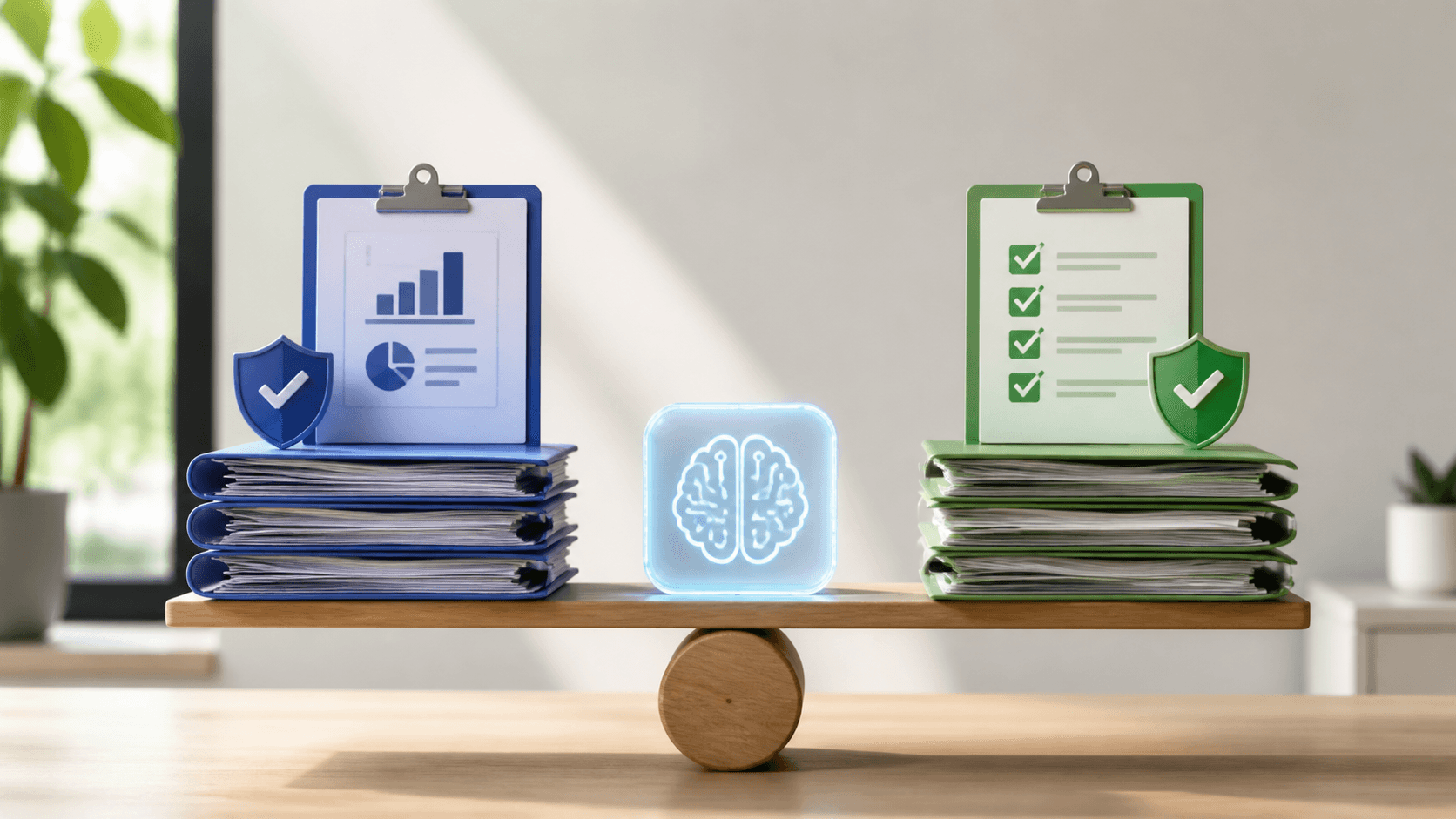
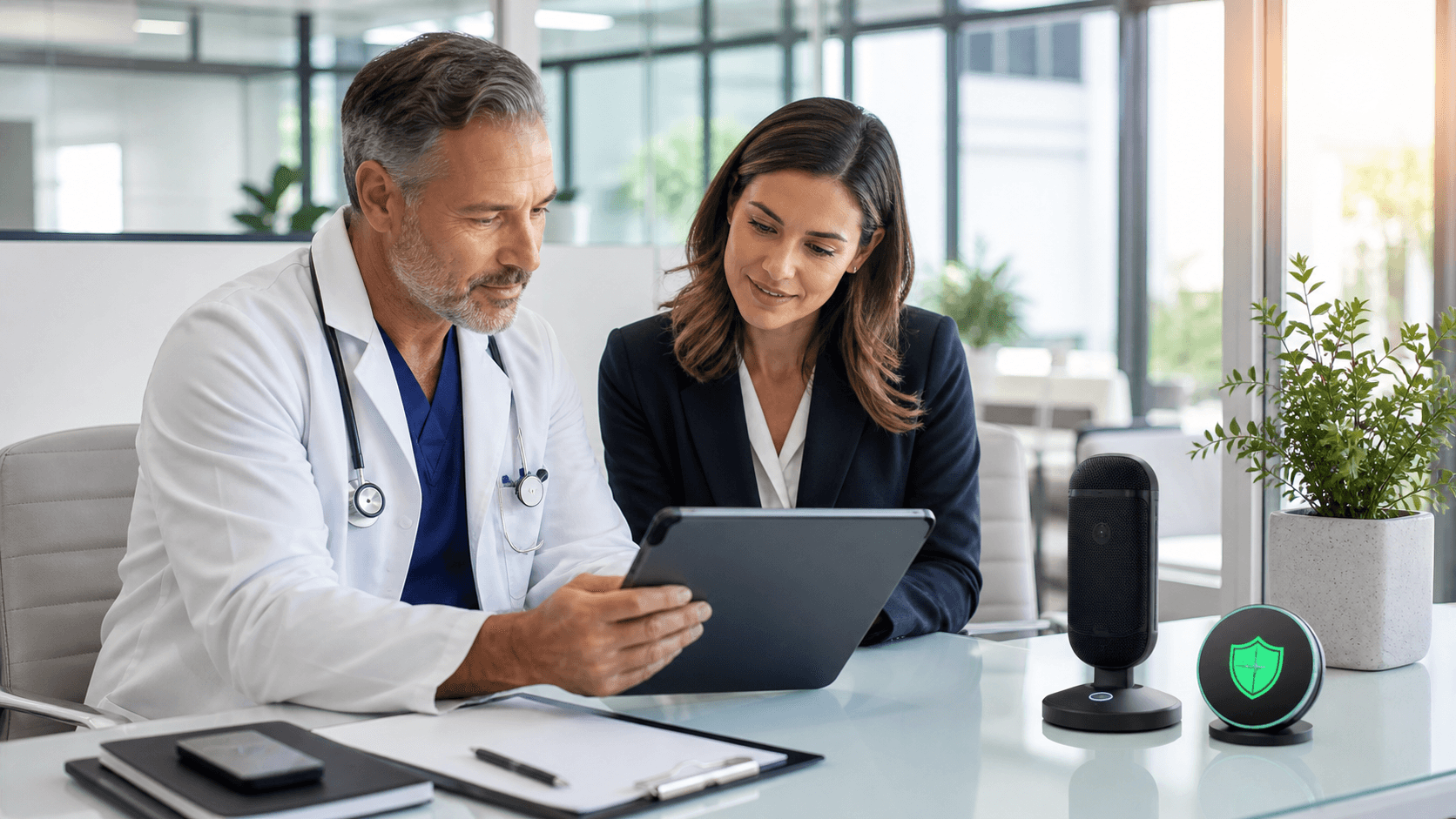
Whenever audio and AI touch patient care, privacy and compliance need as much attention as convenience. Ambient clinical documentation tools must protect audio streams and generated notes through encryption, strict access controls, and detailed logging. This matters even more as virtual visits and remote encounters become routine, because conversations may not happen inside a controlled exam room.
Regulators and payers are paying close attention to how notes are created, not only what they say. Documentation needs to show clinical reasoning in a way that holds up during audits or malpractice review. That means any AI-generated text must be transparent and traceable. The organization should be able to show who reviewed the note, what was edited, and when it was signed.
Ambient documentation can actually reduce risk in some areas, but it can also introduce new ones. Potential issues include:
- Note bloat from long, unfocused summaries
- Hallucinated content that sounds right but never happened
- Overreliance on AI phrasing instead of clinician judgment
On the flip side, with the right controls, ambient tools can:
- Lower omission errors by capturing details that might be forgotten later
- Keep problem lists and medication lists more consistent
- Support better alignment between documentation and billing codes
Compliance monitoring can add another layer of safety. Tools that scan AI-generated notes for risky phrasing, missing elements for billing, or gaps in quality reporting help organizations catch problems early instead of during a payer audit.
Transitioning From Dragon Dictation to Ambient AI Scribes
Many groups already rely heavily on Nuance Dragon or similar systems, so moving to ambient clinical documentation should not be a sudden jump. A phased migration helps protect clinician time and trust.
A common pattern looks like this:
- Start with a focused pilot rather than a system-wide change
- Choose a small set of specialties and clinician champions
- Capture a clear baseline before you begin
Useful baseline measures include:
- Time spent documenting during and after clinic
- Percentage of notes finished by the end of the day
- Clinician stress and satisfaction with current tools
Run the pilot for a set period, such as a few months, and compare against your starting point. During that time, invest in change management. Training works best when it builds on habits clinicians already use with Dragon, such as voice commands, preferred templates, and microphone setups.
Good practices include:
- Clear rules on how and when clinicians can edit AI drafts
- Standard workflows for how ambient notes enter your EHR
- Regular feedback loops so users can flag issues and improvements
It also helps to work with vendor-agnostic experts who understand both traditional dictation and ambient AI scribes. They can help tune microphones, templates, and security settings so you get the most out of your current Dragon investment while you start testing ambient tools.
Elevate Your Documentation Strategy Before Year-End
As clinics push toward year-end targets and start planning for the next cycle, ambient clinical documentation deserves a place at the strategy table. It is not just a shiny gadget or a single app. Used well, it can support lower burnout, cleaner notes, and stronger compliance habits across the organization.
For leaders, helpful early steps include mapping current documentation workflows, identifying the heaviest dictation users, and spotting high-impact specialties where even small time savings can free up visit slots. A thoughtful roadmap that combines Dragon optimization, ambient trials, and integrated compliance monitoring can turn documentation from a daily pain point into an area of steady strength for clinicians and patients alike.
Transform Your Clinical Workflow With Smarter Documentation
Discover how Dictation Direct can reduce clerical burden and give you more time with patients through our ambient clinical documentation. We work closely with your team to tailor workflows that fit your specialty, systems, and compliance requirements. If you are ready to see what a more streamlined charting experience looks like, sign up for a consultation today.